The Soul System
A living philosophy and operational framework that makes human–AI collaboration more principled and self-correcting.
Active·since ·updated — views
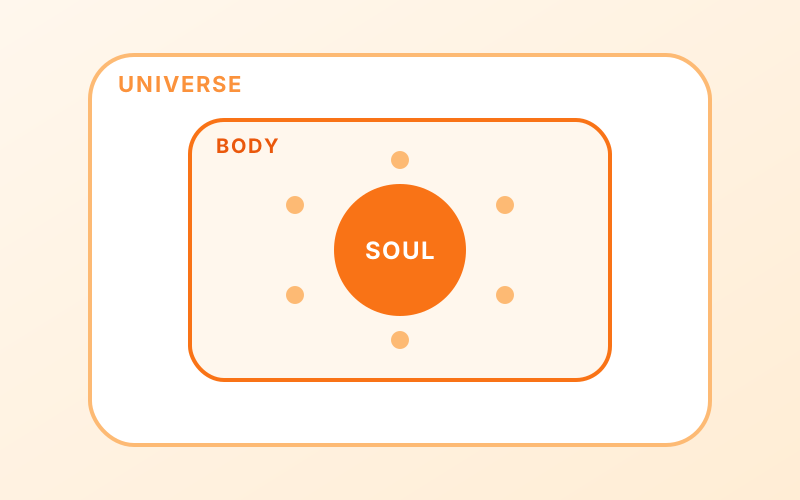
What it is. The Soul System is a living philosophy and operational framework for human–AI collaborative work — research, engineering, science, code. Not a prompt pack, not a workflow template. A craft tradition: a small set of principles, forged from real failure patterns, that make AI-assisted work more principled and self-correcting.
Why. AI coding assistants are fast and confident — and that’s exactly the problem. They reach for a solution before the problem is framed, pass their own internal checks while being wrong about reality, and quietly drop the thread between sessions. The Soul System answers one question: what would it take for an AI to work like a disciplined craftsperson instead of an eager intern?
The core idea
/soul-initto add it to a project/soul-handoffto close out a session and ensure lessons are recorded/soul-resumeto begin a new session built on the recorded lessons and tasks/soul-capture idea|witness|findingto capture and idea, observation, or data for improving your project
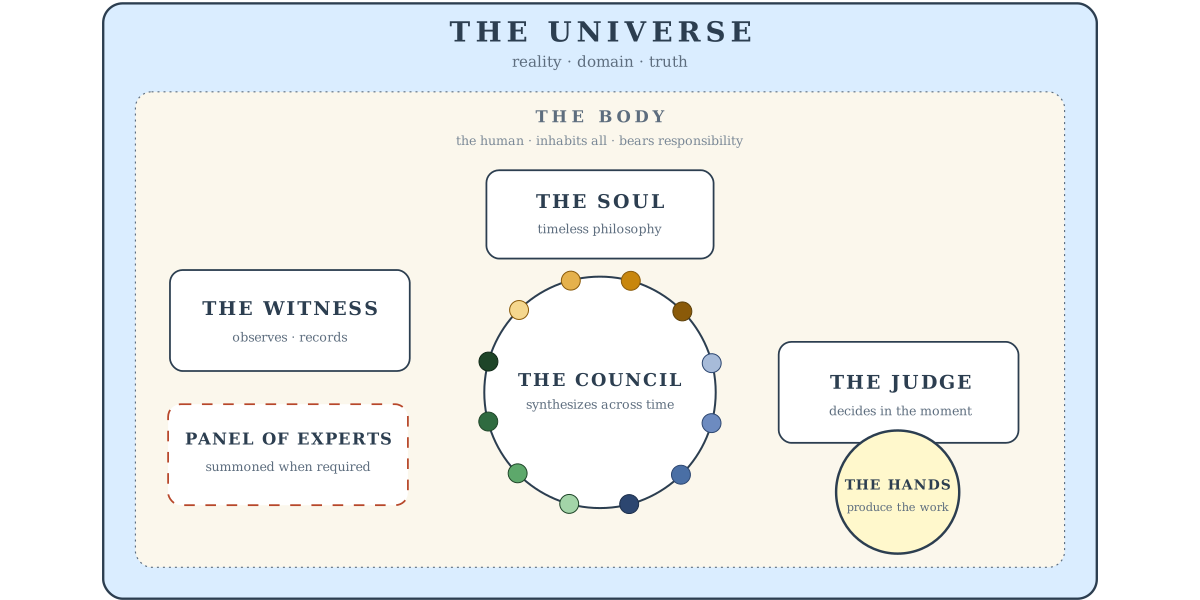
A handful of mandatory gates do most of the heavy lifting:
- Frame the problem at two levels — the immediate task and the larger system it lives in — before proposing anything.
- Name the abstraction before building the instance.
- Explain why the current state exists before changing it (don’t tear down a fence without knowing why it was built).
- Consult reality before calling anything done — internal coherence is not enough.
What makes it different
- Composes, doesn’t replace. Use along with existing workflows and tools.
- It evolves from its own failures. Real failure patterns get named — Premature Sophistication, Universe Collapse, Coherent Falsehood — recorded, and folded back into the philosophy as amendments. The version history is the lessons learned.
The measurement story
The system earned its current shape — 2.0 ships one plain page of rules, four commands with teeth, and a book for humans — by surviving a measurement program designed to kill it. Three posts tell that story from initial concept (admittedly very philosophical) to current states:
- I gave an AI a philosophy, then tried to prove it was useless — the equal-compute ablation. Most of the doctrine was theatre; memory of the unguessable wasn’t.
- I built the best opponent I could for my AI philosophy. We tied. — the twin-chain efficacy program against a genuinely good generic setup, with the scoring locked before anything ran.
- Soul System 2.0: a conscience and a notebook — the release post: what survived, what it won’t do, and the numbers behind both.
The formal papers behind the posts are on the publications page, and the locked-prediction evidence trail — every experiment’s prediction, scored result, and the program verdict — is downloadable as a results bundle.
Writing about this
Six weeks after Soul System 2.0 shipped, I audited it against everything the ecosystem now does for free — built-in AI memory, Obsidian vaults, memory servers. The plumbing is commodity now. The conscience still isn't. And giving the record a graph found two typos in my own files within minutes.
Soul System 2.0 is out — one plain page of rules your AI coding agent reads, four commands with teeth, and a book for humans. The shape left standing after a measurement program tried to kill the rest of it.
I ran the lean system against the best generic CLAUDE.md a careful session can write — real multi-session builds, scoring locked before anything ran. Every quality measure tied. The interesting part is why, and the two things that didn't.
I ablated my own AI doctrine layer under equal compute — every apparent win re-run against length-matched filler. Most of it was theatre. What survived is memory of the things the model can't guess.